
Well Health Organic Fitness Tips – More people now want fitness plans that feel natural – not a roster of chemicals and fads. “Well, health organic fitness” is about building strength, energy, and resilience using whole foods, nature-based movement, mindful recovery, and eco-friendly gear. If you prefer low-tox, high-sustainability choices that work long-term, this guide is for you.
Table of Contents
Why “organic fitness” works
Organic fitness is less about a label and more about principles: whole foods, sunlight, fresh air, movement patterns that use your body, and recovery practices that respect circadian rhythms. Two evidence-backed ideas are especially worth noting:
- Exercising outdoors (green exercise) boosts mood, vitamin D production, and cognitive function more than indoor workouts. That means being outside can make your workouts both healthier and more sustainable.
- Hydration with natural beverages (water, coconut water, herbal teas) supports energy and recovery better than sugary sports drinks for most daily workouts. Aim to prioritize plain water and lightly mineralized fluids.
These basics set the foundation: fewer processed foods, more movement outside, and mindful recovery—simple things with big returns.
Morning routine: start your day the natural way
A short, consistent morning ritual primes energy and sets your circadian clock.
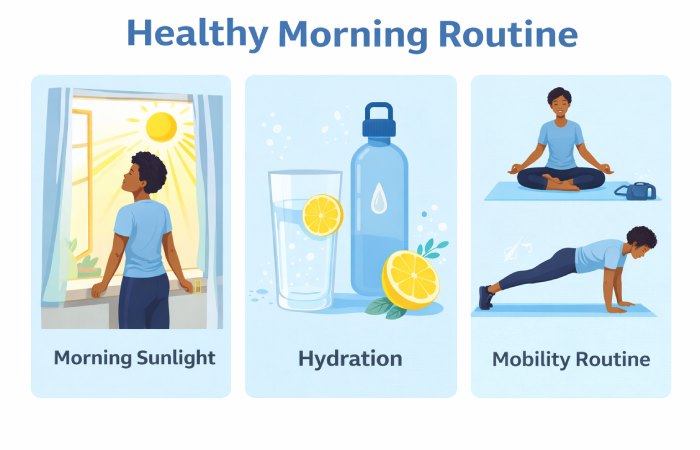
Suggested 20–30 minute routine:
- Wake with sunlight (5 min): Open curtains or step outside for 5–10 minutes to signal morning to your brain.
- Hydration (1 glass): Drink a full glass of water; add a slice of lemon if you like.
- Movement (10–15 min): Gentle mobility + bodyweight flow — sun salutations, hip openers, 2 sets of squats and planks.
- Mindful 3-minute breath: Box breathing or alternate nostril breath to steady focus.
Repeat most days. For higher intensity, add a 20–30 minute outdoor run or HIIT session 3× per week.
Nutrition: whole foods, hydration, and power meals

Food is fuel. Here are the practical, organic-centered rules.
Eat whole, colorful plates
Favor vegetables, fruits, whole grains, legumes, nuts/seeds, and sustainably sourced proteins (wild fish, pasture-raised poultry, organic legumes). These deliver fiber, micronutrients, and quality fats your body needs.
Hydrate naturally
Skip sugar-heavy “sports” drinks unless you’re doing prolonged hard exercise. Coconut water, herbal teas, and plain water are ideal for everyday hydration; they help steady energy and support recovery.
Pre/post workout examples
- Pre (30–60 min): Banana + handful of almonds or a small oat + yogurt bowl.
- Post (within 60 min): Protein + carbs — grilled salmon + quinoa + greens, or lentil salad + sweet potato.
Table — Foods to favor vs. avoid
| Favor (organic where possible) | Avoid / limit |
| Leafy greens, berries, apples | Sugary drinks, fruit juices |
| Oats, quinoa, brown rice | Refined white bread, pastries |
| Nuts, seeds, legumes | Processed snack foods |
| Olive oil, avocado, fatty fish | Trans fats, hydrogenated oils |
Outdoor & nature-based workouts: benefits and sample week
Outdoor workouts combine physical stimulus with mental uplift. Research shows green exercise increases mood and may improve exercise adherence.
Benefits at a glance
- Increased vitamin D from sun exposure
- Varied terrain improves balance and muscle recruitment
- Better mental restoration versus indoor settings
Sample weekly organic fitness plan
| Day | Activity |
| Mon | 30 min brisk walk + mobility |
| Tue | Strength bodyweight circuit (30 min) |
| Wed | Outdoor run or bike (30–40 min) |
| Thu | Yoga + breathwork (30 min) |
| Fri | HIIT park circuit (20–25 min) |
| Sat | Hike or long walk (60–90 min) |
| Sun | Rest + gentle stretching |
Mix intensity across the week and prioritize one long outdoor session at least once per week.
Mind-body practices: stress, sleep, and recovery
Fitness isn’t only about calories and reps. Recovery—sleep, stress management, gentle stretching—creates gains.
- Sleep: Aim for 7–9 hours. Good sleep helps hormone balance, muscle repair, and appetite control.
- Breathwork & meditation: Even 5–10 minutes daily can reduce stress and improve focus.
- Active recovery: Walking, foam rolling, or light yoga on rest days speeds healing.
If you want measurable gains, add tracking: track sleep quality, mood, and energy for 2–4 weeks to see what routines help most.
Herbal & organic supplement guide
Some organic supplements can support energy, recovery, or stress resilience when used wisely.
Helpful, evidence-based options
- Turmeric/curcumin: Anti-inflammatory properties; useful for joint support, especially with black pepper for absorption.
- Ashwagandha: Adaptogen shown to support stress resilience and potentially strength gains when combined with training.
- Spirulina / Moringa: Nutrient-dense whole-food powders for added micronutrients when diet gaps exist.
Safety & sourcing
- Use USDA organic or third-party-tested products where possible.
- Avoid mega-doses or proprietary blends with ambiguous ingredient lists.
- For chronic conditions, pregnancy, or medication interactions, consult your healthcare provider before starting herbs.
Eco-friendly fitness gear & shopping guide
Choosing sustainable gear reduces environmental impact and supports long-term well-being.
What to buy:
- Recycled polyester workout clothes (look for GRS, Bluesign).
- Biodegradable or cork yoga mats.
- Stainless steel or glass water bottles (avoid single-use plastic).
- Second-hand or durable trainers instead of fast-fashion gym shoes.
Small choices add up: durable, repairable gear reduces waste and often performs better.
Safety, sourcing, and when to consult a pro
- Medical clearance: If you have cardiovascular risk, diabetes, or are pregnant, get a check before new routines.
- Supplement caution: Herbs can interact with drugs; verify with a pharmacist or clinician.
- Sun safety: Balance sun exposure with sunscreen use—morning light is best for vitamin D but protect longer exposures.
When in doubt, a registered dietitian or certified trainer who supports whole-food approaches can personalize plans safely.
FAQs (quick answers)
Q: Can organic food alone improve fitness results?
A: Organic whole foods help by cutting processed calories and improving nutrient density, but training consistency and sleep are equally important.
Q: Do herbal supplements really work?
A: Some, like turmeric and ashwagandha, have supportive evidence; use quality brands and consult a professional.
Q: How often should I exercise outdoors?
A: Aim for at least 3 sessions a week outdoors if possible—walks, runs, or circuit training.
Q: Are natural sports drinks better?
A: For most workouts under 60 minutes, water or coconut water is fine. Electrolyte replacement is useful for long, hard sessions.
Final takeaway + 7-day action plan
Well Health Organic Fitness Tips
Start this week:
- Day 1 — Morning sunlight + 20-minute mobility flow.
- Day 2 — 30-minute outdoor brisk walk + whole-food lunch.
- Day 3 — Bodyweight strength circuit (30 min).
- Day 4 — Yoga + herbal tea before bed.
- Day 5 — Interval outdoor run or bike (20–30 min).
- Day 6 — Long walk or hike (60+ min).
- Day 7 — Rest + sleep catch-up, reflection on habits.
Small, consistent steps beat big, unsustainable changes. Use whole foods, nature, mindful recovery, and quality sourcing to keep your fitness journey organic and resilient.