
Most people search for immune system foods when they feel tired more often, get frequent colds, or simply want to stay healthier year-round.
Here’s the truth:
There isn’t one miracle “immunity food.”
But there is a powerful combination of daily nutrition habits that strengthen your immune system consistently.
This guide explains:
- the best immune-supporting foods
- how immunity actually works
- daily meal strategies
- foods that weaken immunity
- routines that multiply nutrition effects
- common supplement myths
- and a practical immunity diet plan
Let’s build immunity the right way 🛡️
According to the NIH Office of Dietary Supplements immune function report, deficiencies in vitamins A, C, D, E, zinc, selenium, and iron can impair immune-cell performance.
Table of Contents
Quick Summary Table: Best Immune System Foods by Nutrient
| Nutrient | Example Foods | Benefit |
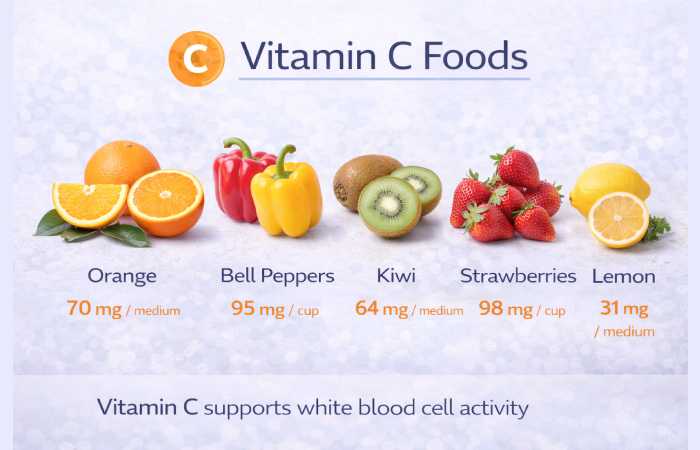
| Vitamin C | Citrus, kiwi, peppers | White blood cell support |
| Zinc | Nuts, seeds, legumes | Immune cell activation |
| Vitamin D | Fatty fish, eggs | Infection defense regulation |
| Vitamin A | Carrots, spinach | Barrier protection |
| Selenium | Brazil nuts | Antioxidant defense |
| Probiotics | Yogurt, kefir | Gut immunity support |
Each nutrient strengthens a different immune pathway.
How the Immune System Actually Works (Simple Explanation)
Your immune system has two major layers:
1. Innate immunity
Your first defense:
- skin barrier
- gut lining
- inflammation response
- white blood cells
2. Adaptive immunity
Your memory-based protection:
- antibodies
- T-cells
- long-term resistance
Nutrition supports both layers simultaneously.
Deficiencies in vitamins A, C, D, zinc, and selenium can weaken immune responses significantly.
What Most People Misunderstand About “Immune Boosting”
There’s no single food that instantly boosts immunity.
Instead:
your immune system improves through consistent nutrient intake across many foods.
Harvard nutrition research confirms immune performance depends on balanced dietary patterns rather than individual “superfoods.”
So the goal is not magic foods.
It’s nutrition patterns.
Harvard’s Nutrition and Immunity research overview explains that immune strength depends on overall dietary patterns rather than single foods.
25 Best Immune System Foods You Should Eat Weekly
These foods deliver the strongest evidence-supported immune benefits.
1. Citrus Fruits 🍊
Examples:
- oranges
- lemons
- grapefruit
- limes
They provide vitamin C, which supports white-blood-cell production and infection defense.
Your body cannot store vitamin C.
You must consume it daily.
2. Red Bell Peppers
Contain more vitamin C than oranges.
Also rich in beta-carotene.
Supports:
skin barrier immunity
cell protection
tissue repair
3. Garlic
Contains allicin.
Supports:
anti-inflammatory signaling
antimicrobial defense
immune activation
Regular intake improves resilience during seasonal illness cycles.
4. Ginger
Supports:
anti-inflammatory response
respiratory comfort
gut health
Especially useful during cold seasons.
5. Spinach
Provides:
vitamin A
vitamin C
folate
antioxidants
Supports immune-cell regeneration.
6. Broccoli
One of the most nutrient-dense vegetables available.
Contains:
vitamin C
vitamin E
fiber
antioxidants
Light steaming preserves nutrients best.
7. Yogurt (Probiotic Foods)
Nearly 70 % of immune cells live in your gut.
Probiotic foods help balance gut bacteria.
Balanced microbiomes improve immune signaling.
8. Almonds
Rich in vitamin E.
Vitamin E supports immune-cell protection from oxidative stress.
9. Sunflower Seeds
Contain:
selenium
vitamin E
magnesium
Support immune regulation.
10. Turmeric
Curcumin supports:
inflammation balance
immune signaling pathways
antioxidant protection
Works best with black pepper.
11. Green Tea 🍵
Contains EGCG antioxidants.
Supports:
cellular defense
metabolism
immune resilience
12. Papaya
High in:
vitamin C
digestive enzymes
folate
Supports gut-immune interaction.
13. Kiwi
One of the highest vitamin C fruits available.
Also supports:
sleep quality
respiratory defense
14. Poultry (Vitamin B6 Source)
Vitamin B6 supports immune-cell biochemical reactions.
Chicken soup’s benefits are partially explained by this nutrient support.
15. Shellfish (Zinc Rich)
Zinc supports:
immune-cell development
wound healing
antiviral signaling
Zinc deficiency weakens immune response significantly.
16. Sweet Potatoes
Provide beta-carotene.
Converted into vitamin A.
Supports skin-barrier immunity.
17. Mushrooms 🍄
Contain beta-glucans.
Support immune-cell activation.
18. Salmon
Provides:
vitamin D
omega-3 fatty acids
Vitamin D regulates antimicrobial proteins that help destroy pathogens.
19. Eggs
Contain:
vitamin D
protein
selenium
Support antibody production.
20. Lentils
Provide:
iron
protein
fiber
Iron supports immune-cell oxygen transport.
21. Beans
Excellent plant-based zinc source.
Supports immune signaling.
22. Pumpkin Seeds
Contain zinc and magnesium.
Improve immune-enzyme activity.
23. Berries 🍓
Provide:
polyphenols
vitamin C
antioxidants
Support anti-inflammatory defense.
24. Dark Leafy Greens
Examples:
kale
collards
arugula
Provide:
folate
vitamin A
vitamin K
Support immune-cell formation.
25. Fermented Foods
Examples:
kimchi
kefir
sauerkraut
Support gut-microbiome diversity.
Gut health strongly influences immunity.
Daily Immunity Meal Plan Example
Simple structure:
Breakfast:
Greek yogurt + berries + nuts
Lunch:
lentil salad + spinach + olive oil
Snack:
citrus fruit
Dinner:
salmon + broccoli + sweet potato
Balanced nutrition supports immune resilience better than single “superfoods.”
Morning Routine That Improves Nutrient Absorption
Drink:
warm lemon water
Eat:
protein-rich breakfast
Move:
10-minute workout
Morning routines improve metabolism and immune-cell signaling.
Immune System Foods for Busy Professionals
Fast options:
banana + nuts
yogurt + seeds
spinach smoothie
boiled eggs
Nutrition must be practical to be sustainable.
Immune System Foods for Vegetarians
Best vegetarian immune foods:
lentils
beans
nuts
seeds
spinach
broccoli
sweet potatoes
fermented foods
Balanced vegetarian diets support immunity effectively.
Foods That Weaken Your Immune System
Avoid frequent intake of:
refined sugar
ultra-processed foods
trans fats
excess alcohol
Poor diet quality increases inflammation and weakens immune signaling.
Supplements vs Whole Foods (Important Truth)
Supplements help only when:
deficiency exists
Otherwise:
whole foods perform better.
Nutrition diversity supports immune-cell function across multiple pathways.
Signs Your Immune System Needs Support
Common indicators:
frequent colds
slow wound healing
low energy
poor sleep
digestive imbalance
Nutrition often improves these quickly.
Immune System Foods for Children
Best options:
eggs
milk
fruits
vegetables
nuts (age-appropriate)
Early nutrition shapes long-term immune strength.
Immune System Foods for Adults Over 30
Focus on:
vitamin D
protein
zinc
selenium
Micronutrient deficiency increases with age.
Immune System Foods for Winter Season
Increase intake of:
citrus
ginger
garlic
green tea
soups
Seasonal nutrition improves resilience.
Lifestyle Habits That Multiply Food Benefits
Combine nutrition with:
sleep
exercise
hydration
stress management
Immune strength depends on all four.
Common Mistakes That Reduce Immunity
Avoid:
skipping meals
low protein intake
over-supplementation
hydration neglect
Consistency beats intensity.
Who This Article Is For
Ideal readers:
busy professionals
students
families
fitness beginners
people recovering from frequent illness
Who This Article Is NOT For
Not designed as treatment for:
autoimmune disease
chronic infection
medical immune disorders
Consult physicians for clinical conditions.
FAQs
What foods improve immunity fastest?
Citrus fruits, yogurt, garlic, spinach, and salmon provide strong immune-support nutrients.
Can food prevent illness completely?
No single food prevents disease.
Balanced nutrition improves resilience instead.
How long before immune foods work?
Most people notice improvements within 2–4 weeks.
Are supplements better than food?
Only if deficiency exists.
Is gut health important for immunity?
Yes. Most immune cells interact with gut microbiota.
Conclusion
Building stronger immunity doesn’t depend on one superfood or supplement—it depends on consistent nutrition patterns. By including fruits, vegetables, healthy fats, protein sources, and probiotic foods daily, immune system foods help support white-blood-cell activity, reduce inflammation, improve gut health, and strengthen long-term disease resistance naturally.