

Herbal Skin Solutions
People around the world are getting back to what nature offers. Herbs such as aloe vera, turmeric, neem, green tea, and rose have been used for skin care for centuries. Today, many of these herbs are in modern creams, serums, and face masks. They can help calm irritation, add moisture, and protect skin from damage.
This article explains which herbs work well, how to use them safely, and simple routines you can follow. I’ll keep it easy to read, practical, and useful whether your readers are in the USA, the UK, India, or anywhere else.
Table of Contents
Why do many people choose herbal skin solutions
A few reasons people prefer herbal skincare:
- They usually contain fewer harsh chemicals.
- Many herbs have antioxidants and anti-inflammatory properties.
- They can be gentler on sensitive skin when used correctly.
- People like eco-friendly, plant-based products.
Modern research supports the use of many plant extracts in skin care. Reviews show herbs can moisturize, reduce inflammation, fight microbes, and help skin heal. So the idea isn’t just old tradition — science is catching up. Herbal Cream Research Study
Quick note before we start
Natural doesn’t always mean safe for everyone. Some people react to herbal ingredients. Always test any new product on a small patch of skin first. If you have a skin disease or serious allergy, speak to a dermatologist.
Top herbs that help the skin
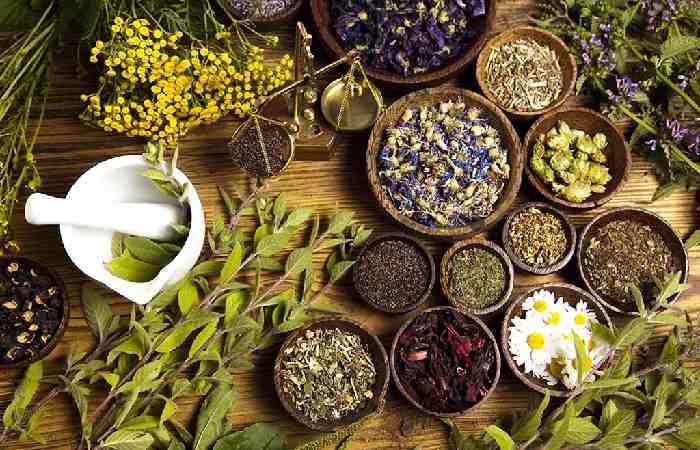
Here’s a simple chart you can use in the article as an infographic or table. It helps readers pick the right herb for their skin type.
Herbal Ingredient Chart
| Herb | Main benefit | Best for |
| Aloe vera | Soothes, hydrates, and helps heal | Dry or sensitive skin |
| Neem | Antibacterial, calming | Acne-prone skin |
| Turmeric (curcumin) | Anti-inflammatory, brightening | Pigmentation, irritation |
| Green tea | Antioxidant, anti-aging | Mature or sun-exposed skin |
| Rose | Gentle toner, soothing | Sensitive or dry skin |
| Centella asiatica (Gotu kola) | Supports collagen, wound repair | Scars, aging skin |
| Amla (Indian gooseberry) | Antioxidant, brightening | Dull/aging skin |
You can place this table in the article as a clean visual. The table provides a quick reference for readers when shopping or making DIY masks.
Small science break — what the reviews say
Large-scale reviews of plant extracts have found many helpful properties: moisturizing, antioxidant, anti-inflammatory, and even wound-healing. That means real benefits, not just folklore. If you want to link a study, a recent review in International Journal of Molecular Sciences covers many plant extracts and their use in skincare.
Aloe vera — a go-to herb
Aloe vera is one of the best-known herbal skin agents. Studies and reviews show that aloe gels and creams can help with wound healing and skin hydration. For some wounds and burns, aloe improved healing in clinical trials, though the quality of older trials varies. Overall, the evidence suggests that aloe helps skin repair and stay moist.
Use tip: pure aloe gel from the leaf or a good commercial gel can calm sunburn and help dry, flaky skin.
Turmeric — brightening and anti-inflammatory
Turmeric’s active compound, curcumin, fights inflammation and may help with pigmentation and acne. People use turmeric as a face mask or buy products that include standardized curcumin extracts. There’s promising evidence, but also limits — more human trials are needed. Still, turmeric is a useful part of an overall herbal routine.
Use tip: mix a little turmeric with yogurt or honey for a short, gentle mask. Be careful — turmeric can stain skin and clothes.
Green tea — antioxidant and calming
Green tea extracts are rich in polyphenols (like EGCG). These antioxidants help protect skin cells against damage and may reduce signs of aging. Green tea extract is common in serums and toners for this reason. One meta-analysis also found that lant-based topical products can improve skin hydration and elasticity with short-term use. That’s good news for anyone looking for natural anti-aging support.
Use tip: green tea toners and masks are gentle and suit many skin types.
Neem — a traditional acne helper
Neem has strong antibacterial properties. It’s popular in India and in many regions for treating acne and skin infections. Neem oil or extracts can reduce bacterial growth and calm redness. Use products containing neem, or dilute neem oil well before use.
Tip: Neem can be drying for some people. Pair it with a light moisturizer.
Centella asiatica — for scars and repair
Centella asiatica (also called gotu kola) helps support collagen and skin repair. It’s common in creams for scars, stretch marks, and aging skin. If your readers want gentle collagen support without harsh chemicals, Centella-based products are a good option.
A simple daily herbal skincare routine
This routine is easy and works for most people.
Morning
- Cleanse with a gentle herbal cleanser (aloe or rose base).
- Tone with rose water or a light green tea toner.
- Apply a light moisturizer (with aloe, neem, or plant oils).
- Always use sunscreen (even if you use herbal products).
Evening
- Cleanse to remove dirt and sunscreen.
- Use a serum with herbal actives (green tea for antioxidant support, turmeric for occasional use).
- Moisturize, consider oils like rosehip for night care.
Weekly
- 1–2 times: a gentle herbal mask (turmeric + yogurt, or aloe + oats).
- Exfoliate gently — avoid harsh scrubs.
This routine is simple and uses ingredients that are easy to find in the USA, the UK, India, and elsewhere.
Practical DIY herbal recipes

Gentle aloe face gel
- 2 tbsp pure aloe vera gel
- 1 tsp rose water
Mix and apply as a calming gel for irritated skin. Rinse after 20 minutes or use as an overnight hydration layer if your skin tolerates it.
Brightening turmeric mask
- 1 tsp turmeric powder
- 2 tsp plain yogurt or honey
Apply for 10 minutes, rinse gently. Don’t use daily — 1–2 times a week is enough.
Neem spot treatment
- 1 drop neem oil + 1 tsp aloe gel (test patch first).
Apply to blemishes for short periods.
Important: Do a patch test on your inner wrist before applying anything new to your face.
How herbal products compare with chemical products
Some readers ask: Are herbal products as effective as chemical skincare?
Short answer: It depends.
- Chemical actives (such as retinoids, vitamin C, and certain acids) often work faster and in well-studied ways.
- Herbal products can be gentler and still offer real benefits, especially for hydration, inflammation, and antioxidant support.
- For serious conditions (deep scarring, severe acne, rosacea), treatment from a dermatologist is often needed. Herbal care can help alongside medical care, but it shouldn’t replace it.
A balanced approach often works best: use proven medical treatments when needed, and support skin health with herbs and good daily care.
Safety and side effects — what to watch for
Even natural things can cause reactions.
- Do a patch test. Try new herbs on a small area before using them widely.
- Avoid raw or homemade herbal mixes if you have sensitive or broken skin. Bacteria can get into open wounds.
- Be cautious with essential oils. These are powerful. Always dilute and follow manufacturer guidelines.
- Pregnancy and strong medications: ask a doctor before using strong herbal products or supplements.
- Staining: turmeric can stain skin and clothes; use it carefully.
If you notice redness, swelling, or a burning feeling, stop use and talk to a medical professional.
Choosing good herbal skincare products
When you select herbal skincare, look for:
- Clear ingredient lists (no mystery fillers).
- Reputable brands with transparency and testing.
- Minimal fragrance if you have sensitive skin.
- Products that list plant extracts with percentages or standardized extracts.
- Good packaging (airless pumps can help preserve active herbs).
Buying locally made products in India, the USA, or the UK? Check reviews and look for third-party testing or certifications when possible.
Short evidence summary you can link to
- A wide review of plant extracts shows many have moisturizing, antioxidant, anti-inflammatory, and wound-healing effects. That review is a useful, broad source.
- Clinical trials and systematic reviews show aloe vera can support wound healing and skin hydration, though results vary with formulation. Use aloe with good quality control.
- A meta-analysis of plant-based topical products finds improvements in skin hydration and elasticity with short-term use. That supports the use of herbal products for anti-aging and hydration.
- Turmeric (curcumin) shows promise for reducing inflammation and skin brightening, but people should be cautious about staining and dosing.
Use these sources in the article or link them so readers can dig deeper.
Common questions — quick answers
Will herbal products clear acne fast?
Herbal remedies like neem and tea tree oil can help. But they usually work slowly. For severe acne, see a dermatologist.
Can I use herbal products with my prescription cream?
Often yes, but ask your doctor if you’re mixing strong actives (like retinoids) with herbs.
Are DIY masks safe?
Some are fine if you use clean tools and test a patch. Don’t put raw herbs on open wounds.
How long before I see results?
Most herbal routines take weeks. Give it 6–8 weeks and track small improvements.
Sample article sidebar: “Herbal Routine for Busy People”
- Morning (2 min): gentle herbal cleanse,+ moisturize, and sunscreen.
- Evening (5 min): double-cleanse if you wore makeup, then apply a herbal serum or aloe gel, then moisturizer.
- Weekend: one quick mask (turmeric or green tea). Clean your tools.
Small, consistent steps beat big, rare efforts.
Final tips and takeaways
- Herbs can be powerful allies for skin health. They work slowly but often with fewer harsh side effects.
- Choose cleanly formulated products or use simple DIY recipes with care.
- Patch test everything. If you’re unsure, get advice from a professional.
- Combine herbal care with sun protection, good sleep, hydration, and a healthy diet — skin health is a whole-body thing.