

What Is Diet Mentality?
Diet mentality refers to a set of beliefs and attitudes focused on dieting, weight loss, and rigid food rules rather than on overall health or well-being. It’s the mindset that there is a “perfect” diet or way to eat that will finally solve emotional, physical or self-image concerns.
In intuitive eating research, experts define diet mentality as the idea that there’s a specific diet out there that will work for you, often reinforced by societal messages, diet culture pressures, and self-critical thinking patterns.
Table of Contents
How Diet Culture Shapes Diet Mentality
Diet culture is a system of messages that praises thinness and equates weight loss with success, worth, or moral goodness. It encourages external food rules and shapes internal self-judgment around eating.
Key ways diet culture influences diet mentality:
-
Praise for extreme dieting or weight loss
-
Labels such as “good” and “bad” foods
-
Social media reinforcement of thin ideals
-
Messages that moralize eating choices
-
Constant focus on calories rather than nourishment
These messages become internalized, leading many to think: “I must be thinner to be healthy or accepted.”
The Psychology Behind Diet Mentality
Diet mentality doesn’t come from personal weakness — it stems from internalized beliefs shaped by society.
According to psychological models, behavior and beliefs about health develop when:
-
People feel pressure from society or media to look a certain way
-
They believe dieting equals health and self-worth
-
Their self-value becomes tied to body size or weight
This mindset can reinforce endless dieting cycles and emotional conflict around food.
Over time, this pattern can lead to negative emotional states like guilt, shame, or resentment toward food.
Diet Mentality vs. Intuitive Eating
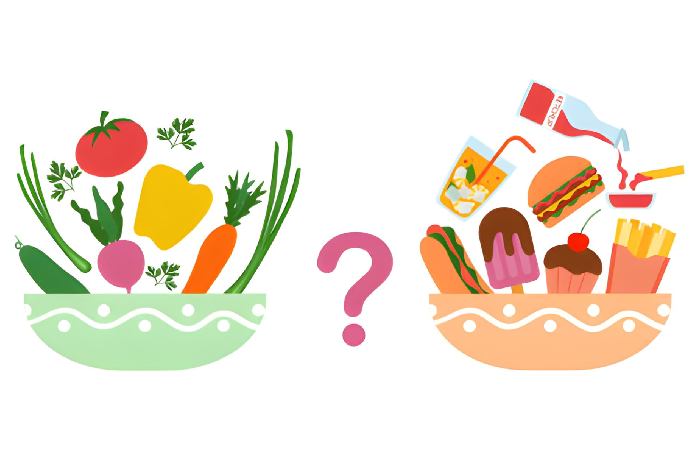
One of the most well-studied alternatives to diet mentality comes from intuitive eating — a research-informed approach that encourages people to:
-
Reject diet mentality and food rules
-
Honor physical hunger and fullness
-
Make peace with food
-
Respect body signals instead of diet rules
This concept was coined in the 1990s and continues to shape healthier relationships with food.
While diet mentality focuses on rigid rules and fear of certain foods, intuitive eating emphasizes internal cues and body respect.
How Diet Mentality Affects Your Life
Diet mentality can reach far beyond food choices. It can impact:
Mental Health
Research shows a strong link between poor nutrition and mood disorders, such as depression and anxiety. Eating imbalanced or restrictive diets can worsen mood, energy levels, and cognitive function.
Nutrition affects brain function — much of the serotonin that regulates mood is produced in the gut.
Relationship With Food
Diet mentality often leads to:
-
Emotional eating (eating in response to emotions) rather than hunger
-
Guilt or shame after eating “restricted” foods
-
Cycles of restriction and overeating
Body Image and Self-Worth
When self-worth depends on diet success, even small fluctuations in weight or appetite can trigger anxiety, self-criticism, or dissatisfaction.
Signs You May Have Diet Mentality
You might be stuck in diet mentality if you:
-
Think of foods as “good” or “bad”
-
Believe a new diet will fix your body image
-
Feel guilty after eating
-
Avoid certain foods entirely
-
Base your self-worth on weight
If you find yourself frequently caught up in diet rules and negative thoughts about food, that’s a key sign of diet mentality.
Real-World Example
Imagine choosing a bagel for breakfast and immediately thinking:
“I should’ve had only eggs — now I’ll gain weight.”
This thought pattern shows diet mentality — where food choices trigger self-judgment instead of nourishment or enjoyment.
Why Diet Mentality Can Be Harmful
Contrary to popular belief, strict dieting often does not lead to long-term health benefits.
Research suggests:
-
Restrictive diets may increase risk of nutrient deficiency
-
Dieting without proper nutrition can harm mood and cognition
-
Diet mentality is linked to emotional distress and unhealthy eating patterns
More importantly, restrictive habits may intensify fear around certain foods and increase the risk of eating disorders.
How to Escape Diet Mentality
Breaking free from diet mentality means shifting your focus from weight or “rules” to overall health and internal cues.
Here are steps to help:
1. Recognize Diet Messages
Identify how media or social circles reinforce diet culture.
2. Rebuild Trust With Your Body
Pay attention to hunger and fullness. Eat when you’re hungry, stop when you’re comfortably full.
3. Embrace All Foods
No foods are inherently moral or immoral — just choices.
4. Prioritize Nutrition Over Restriction
Choose foods that make you feel nourished, energized, and balanced.
5. Practice Self-Compassion
Treat your body with the same kindness you would give a friend.
These principles align closely with intuitive eating concepts.
Diet Mentality vs. Organized Healthy Eating

Diet mentality pushes extremes: strict rules, fear, guilt.
Healthy eating focuses on balance, variety, and internal cues.
Switching to mindful eating doesn’t mean ignoring nutrition. It means honoring your body’s needs instead of external rules.
The Role of Nutrition and Mental Health
Scientific studies show diet quality is linked to psychological well-being.
For example:
-
Mediterranean diets (rich in whole foods) are associated with lower depression risk
-
Processed diets are tied to poorer mood and cognitive symptoms
This doesn’t mean diet alone cures mental health conditions, but it highlights food’s impact beyond body weight.
Experts Suggest a Broader View of Health
Successful health patterns include:
-
Eating in response to hunger, not guilt
-
Choosing balanced, whole foods for nourishment
-
Respecting your body’s signals
-
Building habits you can sustain long-term
Many dietitians now emphasize a non-diet, balanced approach rather than strict calorie or rule-based plans.
Practical Tips to Reduce Diet Mentality
| Habit | What to Do |
|---|---|
| Restrictive thinking | Practice mindful eating |
| Labeling foods | Focus on nourishment |
| Food fear | Add variety without judgment |
| Emotional eating | Explore feelings, not food |
| Self-criticism | Replace with self-kind thoughts |
Myths vs. Facts About Diet Mentality
| Myth | Fact |
|---|---|
| Diets always lead to health | Many restrictive diets fail long-term |
| Skipping meals helps lose weight | It often triggers overeating |
| Only food choices matter | Emotions and psychology matter too |
| Thinness equals health | Health has many dimensions |
Final Thoughts
Diet mentality keeps people trapped in cycles of restriction, guilt, and emotional conflict around food. Instead, combining balanced nutrition with internal cues and self-compassion leads to stronger physical and mental health.
Real health is not about perfect eating — it’s about knowing your body, listening to hunger and fullness, nourishing your mind, and being kind to yourself.