
The Benefits of a Whole Foods Diet
Eating healthy doesn’t always mean following strict diets or counting calories all day. Sometimes the simplest approach is also the best: eating whole foods. A whole foods diet focuses on natural, minimally processed foods such as fruits, vegetables, whole grains, nuts, seeds, legumes, and healthy proteins. These foods stay close to their original form and retain their natural nutrients.
In recent years, more people across the USA, UK, India, and other parts of the world have started shifting toward whole foods. The reason is simple: whole foods support better health, improve energy levels, and reduce the risk of many lifestyle diseases.
This guide explains what a whole-foods diet is, why it matters, its benefits, practical tips, and how to start easily.
Table of Contents
What Is a Whole Foods Diet?
A whole foods diet focuses on foods that are:
- Minimally processed
- Nutrient-dense
- Close to their natural state
- Free from excessive additives, refined sugars, and artificial ingredients
Examples include:
- Fresh fruits and vegetables
- Whole grains like oats, brown rice, quinoa
- Nuts, seeds, and legumes
- Lean proteins such as fish, eggs, beans
- Natural dairy products (if consumed)
Research shows that diets rich in minimally processed foods are strongly linked with better health outcomes and disease prevention.
This type of eating isn’t about restriction. It’s about choosing quality foods that nourish the body.
Key Nutritional Advantages of Whole Foods
Whole foods naturally contain:
| Nutrient Type | Benefit |
| Fiber | Supports digestion and heart health |
| Antioxidants | Protect cells from damage. |
| Vitamins & Minerals | Boost immunity and metabolism. |
| Healthy fats | Support brain and hormone health. |
| Complex carbs | Provide sustained energy |
Whole foods also usually contain fewer added sugars, sodium, and unhealthy fats, which support overall health.
Major Health Benefits of a Whole Foods Diet
1. Better Heart Health
Whole foods like fruits, vegetables, whole grains, and nuts contain fiber, potassium, and antioxidants that support heart health. Studies show that these foods help lower LDL cholesterol and blood pressure, reducing the risk of heart disease.
This is one of the biggest reasons doctors recommend whole foods.
2. Improved Digestion and Gut Health
Fiber-rich foods support healthy digestion and feed beneficial gut bacteria. Research shows whole foods help increase gut microbial diversity, which supports immunity, metabolism, and overall health.
Better digestion often means:
- Less bloating
- Better nutrient absorption
- Improved metabolism
3. Stable Blood Sugar Levels
Whole foods digest more slowly because of their fiber content. This helps maintain stable blood sugar levels and reduces the risk of diabetes.
Processed foods, on the other hand, often cause rapid spikes in blood sugar.
4. Weight Management Made Easier
Whole foods are usually lower in calories and more filling. Fiber and protein help control appetite naturally.
This means:
- Reduced overeating
- Better satiety
- Sustainable weight management
Many nutrition experts say weight loss becomes easier when processed foods are replaced with whole foods.
5. Reduced Risk of Chronic Diseases
Whole foods are linked to lower risks of:
- Heart disease
- Diabetes
- Certain cancers
- Metabolic syndrome
Fruits, vegetables, whole grains, and nuts contain protective compounds that support long-term health.
6. Lower Inflammation
Whole foods contain anti-inflammatory compounds like polyphenols, omega-3 fatty acids, and carotenoids. These help reduce chronic inflammation, which is linked to many diseases.
Lower inflammation means:
- Better joint health
- Improved immunity
- Reduced disease risk
7. Better Mental Health and Energy Levels
Nutrient-rich diets support brain function and mood. Whole foods provide steady energy without the crashes often caused by processed foods.
Some research also links whole-food diets with reduced anxiety and better psychological well-being.
8. Environmental Benefits
Whole foods, especially plant-based ones, often have a lower environmental impact compared to heavily processed foods.
Choosing whole foods can:
- Reduce carbon footprint
- Support sustainable agriculture
- Encourage healthier food systems
This is becoming increasingly important worldwide.
Whole Foods vs Processed Foods
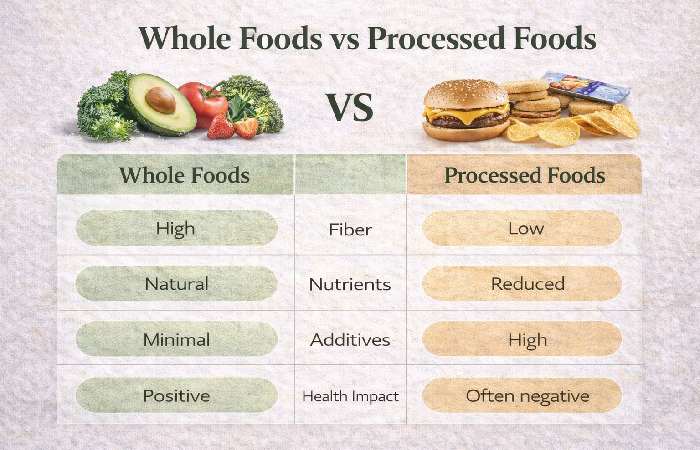
| Feature | Whole Foods | Processed Foods |
| Nutrient density | High | Often lower |
| Fiber content | High | Usually low |
| Additives | Minimal | Often high |
| Sugar/sodium | Naturally low | Often excessive |
| Health impact | Positive | Linked to disease risk |
How to Start a Whole Foods Diet
Start Small
Replace one processed meal per day with whole foods.
Shop Smart
Focus on:
- Fresh produce
- Whole grains
- Natural snacks
Cook More at Home
Homemade meals give better control over ingredients.
Read Labels
Avoid foods with long ingredient lists or artificial additives.
Stay Balanced
Include:
- Protein
- Healthy fats
- Fiber-rich carbs
Balance prevents cravings.
Sample Whole Foods Meal Plan
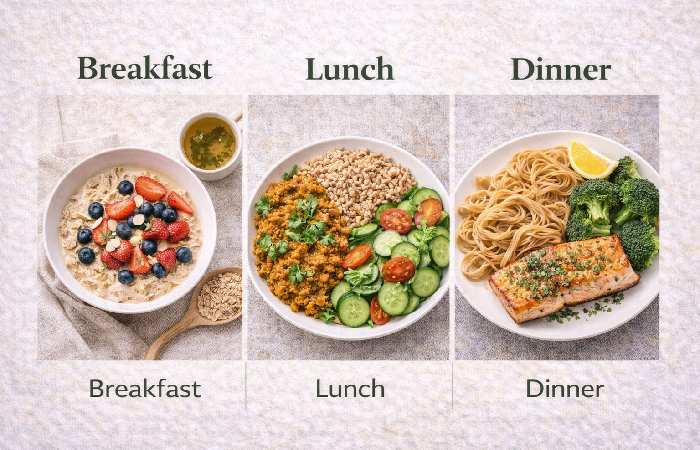
Breakfast
- Oatmeal with fruits and nuts
- Herbal tea or milk
Lunch
- Brown rice or quinoa
- Vegetable curry or salad
- Lentils or beans
Snack
- Fruit, nuts, yogurt
Dinner
- Whole grain roti/pasta
- Vegetables
- Lean protein
This works globally with minor cultural variations.
Common Mistakes to Avoid
❌ Going too restrictive
❌ Ignoring protein intake
❌ Skipping healthy fats
❌ Relying on “processed healthy” foods
❌ Not staying hydrated
Balance matters.
Frequently Asked Questions
Is a whole foods diet vegetarian?
Not necessarily. It can include lean animal proteins if minimally processed.
Is it expensive?
It can be affordable when focusing on seasonal produce and local foods.
How long before benefits appear?
Energy and digestion often improve within weeks. Long-term benefits develop over months.
Can it help with weight loss?
Yes. Whole foods naturally support appetite control and metabolism.
Is it safe for everyone?
Generally, yes, but specific health conditions may need dietary adjustments.
Conclusion
A whole foods diet is one of the simplest and most effective ways to improve health naturally. By focusing on fresh, minimally processed foods, you can support heart health, digestion, weight management, mental well-being, and overall longevity.
You don’t need complicated diet plans or expensive supplements. Small changes — eating more fruits, vegetables, whole grains, and natural proteins — can make a big difference.
Whether you’re in the USA, UK, India, or anywhere else, choosing whole foods is a practical step toward better health and sustainable living.
Start gradually, stay consistent, and let food work for your health.