

Meet the people behind this publication


Ashwagandha benefits have become one of the most talked-about topics in the health and supplement world. This ancient Ayurvedic herb, scientifically known as Withania somnifera, has been used for thousands of years to help the body cope with stress, improve energy levels, and support overall wellness.
Today, modern research is beginning to confirm many of these traditional uses. Scientists classify ashwagandha as an adaptogen, meaning it helps the body adapt to stress by regulating hormones such as cortisol. Lower cortisol levels can reduce stress, improve mood, and even support better sleep and physical performance.
Because of these properties, ashwagandha supplements are now widely used by athletes, busy professionals, and anyone seeking natural stress support.
In this guide, we’ll explore 10 science-backed ashwagandha benefits, how it works, recommended dosage, and safety tips.
This article belongs in Vigor BlogTable of Contents
What Is Ashwagandha?
Ashwagandha is a medicinal herb native to India, the Middle East, and parts of Africa. In Ayurvedic medicine it has long been used to improve vitality, boost energy, and help the body resist stress.
The root of the plant contains active compounds called withanolides, which are believed to provide many of the herb’s health benefits. These compounds have antioxidant and anti-inflammatory effects that support overall health.
Modern supplements typically use standardized root extracts that provide concentrated amounts of these beneficial compounds.
Nutritional and Active Compounds in Ashwagandha
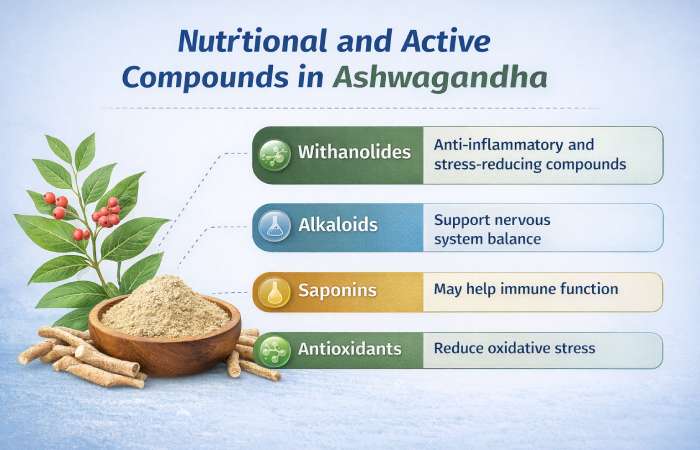
| Compound | Health Role |
| Withanolides | Anti-inflammatory and stress-reducing compounds |
| Alkaloids | Support nervous system balance |
| Saponins | May help immune function |
| Antioxidants | Reduce oxidative stress |
These compounds work together to support the body’s stress response, immune function, and overall wellness.
1. Reduces Stress and Anxiety
One of the most researched ashwagandha benefits is stress reduction.
Ashwagandha helps regulate the hypothalamic-pituitary-adrenal (HPA) axis, the system that controls the body’s stress response. Studies show that taking ashwagandha supplements can significantly reduce perceived stress and cortisol levels compared with placebo treatments.
In one study involving adults experiencing stress, participants who took ashwagandha extract for eight weeks reported significantly lower stress levels than those taking a placebo.
This effect makes ashwagandha a popular supplement for people dealing with chronic stress or demanding lifestyles.
2. Improves Sleep Quality
Another major ashwagandha benefit is improved sleep.
Research shows that people who take ashwagandha may fall asleep faster and experience deeper sleep. In clinical trials, participants taking the supplement reported improved sleep duration and reduced nighttime awakenings.
A meta-analysis of randomized clinical trials also found that ashwagandha extract improved sleep quality, particularly in adults with insomnia.
Because stress often interferes with sleep, the herb’s ability to reduce cortisol may indirectly improve nighttime rest.
3. Supports Muscle Growth and Strength
Fitness enthusiasts often take ashwagandha supplements because they may improve muscle strength and recovery.
Some studies suggest that ashwagandha can increase muscle mass and enhance physical performance when combined with resistance training.
Possible reasons include:
- Reduced cortisol levels
- Improved testosterone levels
- Better recovery from exercise
These effects make ashwagandha popular among athletes and bodybuilders looking for natural performance support.
4. May Boost Testosterone and Male Fertility
Ashwagandha may support male reproductive health.
Research suggests that taking the herb for several months may increase testosterone levels and improve sperm quality in some men.
This benefit has made ashwagandha a common ingredient in supplements marketed for male vitality and fertility.
However, scientists note that more large-scale studies are needed to fully confirm these effects.
5. Improves Brain Function and Memory
Ashwagandha has long been used in traditional medicine to support brain health.
Recent research suggests that the herb may improve memory, attention, and cognitive performance by reducing oxidative stress and supporting nerve cell function.
Some studies involving stressed adults found that ashwagandha supplementation improved cognitive function and mental performance over time.
This makes it a promising natural option for supporting brain health.
6. Helps Reduce Inflammation
Chronic inflammation contributes to many diseases including heart disease, diabetes, and arthritis.
Ashwagandha contains compounds with anti-inflammatory properties that may help reduce markers of inflammation in the body.
By lowering inflammation, the herb may support overall health and reduce risk factors for chronic disease.
7. May Help Regulate Blood Sugar
Some research suggests that ashwagandha may improve insulin sensitivity and help regulate blood sugar levels.
This could be beneficial for people at risk of type 2 diabetes or metabolic syndrome.
However, people taking diabetes medications should consult a doctor before using ashwagandha because it may enhance the effects of blood sugar-lowering drugs.
8. Supports Heart Health
Ashwagandha may benefit heart health by reducing stress, inflammation, and blood pressure levels.
Since chronic stress increases cardiovascular risk, the herb’s ability to regulate cortisol could indirectly support heart health.
Some research also suggests it may help improve cholesterol levels, although further studies are needed.
9. Strengthens the Immune System
Ashwagandha’s antioxidant and anti-inflammatory properties may support immune function.
Antioxidants help protect cells from damage caused by free radicals, which can weaken the immune system.
Many traditional medicine systems have used ashwagandha to improve resilience during illness and support overall vitality.
10. Supports Energy and Physical Endurance
Another important ashwagandha benefit is improved physical endurance.
The herb may help reduce fatigue and improve stamina during exercise.
Athletes sometimes use ashwagandha supplements to enhance endurance performance and recovery.
Although more research is needed, early studies show promising results.
Recommended Dosage of Ashwagandha
Dosage can vary depending on the supplement form.
| Form | Typical Daily Dose |
| Capsules | 300–600 mg extract |
| Powder | 3–6 grams root powder |
| Tea | 1–2 grams root |
Many studies show positive results at doses of 500–600 mg per day taken for several weeks.
Always follow the instructions on the supplement label or consult a healthcare professional.
Potential Side Effects and Safety
Ashwagandha is generally considered safe when used for short periods.
However, possible side effects include:
- Upset stomach
- Diarrhea
- Nausea
- Drowsiness
In rare cases, the herb may affect liver health or interact with medications.
People who should avoid ashwagandha include:
- Pregnant women
- Individuals with thyroid disorders
- People taking sedatives or immune-suppressing medications
Always consult a healthcare professional before starting any new supplement.
Who Should Consider Taking Ashwagandha?
Ashwagandha supplements may be beneficial for:
- People experiencing chronic stress
- Individuals with sleep problems
- Athletes seeking natural recovery support
- Adults looking to improve overall wellness
However, supplements should complement healthy habits such as good nutrition, exercise, and stress management.
Natural Ways to Enhance Ashwagandha Benefits
To maximize the effects of ashwagandha, combine it with healthy lifestyle habits.
These include:
- Regular exercise
- Balanced nutrition
- Quality sleep
- Meditation or mindfulness
- Limiting alcohol and caffeine
Ashwagandha works best when used as part of a holistic wellness routine.
Frequently Asked Questions
How long does ashwagandha take to work?
Most people notice benefits within 4 to 8 weeks of consistent use.
Is it safe to take ashwagandha daily?
Short-term use appears safe for most healthy adults, but long-term safety is still being studied.
Can ashwagandha help with anxiety?
Yes. Several studies show that ashwagandha may reduce stress and anxiety by lowering cortisol levels.
Does ashwagandha increase testosterone?
Some research suggests it may increase testosterone and improve fertility in certain men.
Conclusion
The growing popularity of ashwagandha benefits is supported by both traditional medicine and emerging scientific research. From reducing stress and improving sleep to supporting muscle growth and brain health, this powerful adaptogenic herb offers a wide range of potential advantages.
However, while ashwagandha supplements can support overall wellness, they should not replace medical treatment or professional healthcare advice. Always consult a healthcare provider before starting any supplement.
With responsible use and a healthy lifestyle, the many ashwagandha benefits may help improve physical and mental well-being naturally.